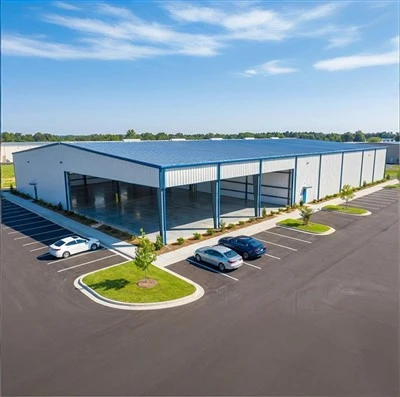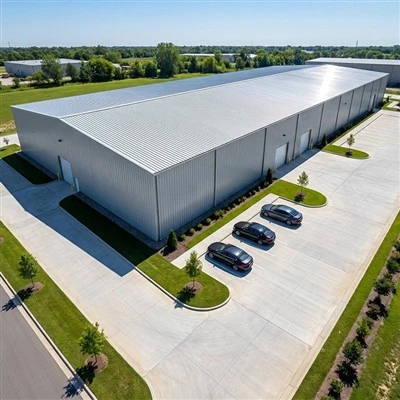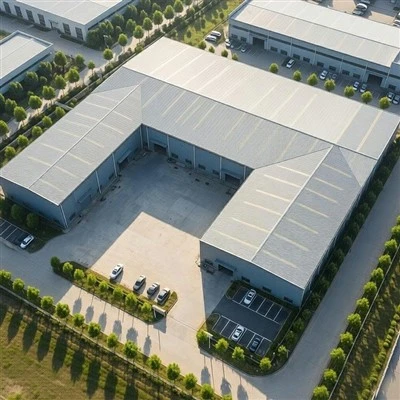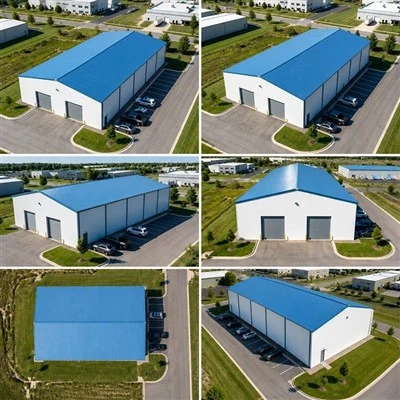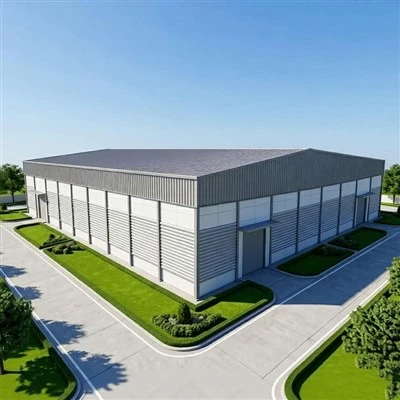
Steel structure systems offer comprehensive advantages such as low self-weight, factory-based fabrication, rapid installation, short construction periods, excellent seismic performance, quick investment recovery, and minimal environmental pollution. Compared to reinforced concrete structures, they possess unique advantages for development in terms of height, scale, and lightness.
Steel structures are susceptible to damage; therefore, issues must be identified and resolved promptly. The primary causes of damage to steel structures include:
(1) Insufficient structural load-bearing capacity resulting from changes in loading, service beyond the intended lifespan, or revisions to codes and standards;
(2) Deformation, twisting, damage, or denting of components due to accidents, leading to reduced cross-sectional areas, member buckling, or cracking at connections;
(3) Deformation, cracking, or buckling of components or connections caused by temperature fluctuations;
(4) Reduction of component cross-sections due to chemical corrosion or electrochemical corrosion;
(5) Other factors, including errors in design, fabrication, or construction, as well as improper use or operation during the service life.
There are three main technical measures for reinforcing steel structures:
(1) Cross-section reinforcement method: Strengthening components locally or along their entire length with steel elements, integrated to share the load;
(2) Modification of the structural analysis model: Adding supports, adjusting load distribution to reduce internal force levels, or imposing forced displacements on supports of statically indeterminate structures to lower peak stress values;
(3) Pre-stressed cable method: Using high-strength cables to reinforce weak points or to enhance the overall load-bearing capacity, stiffness, and stability of the structure.