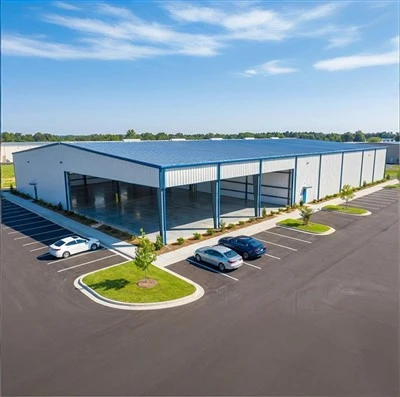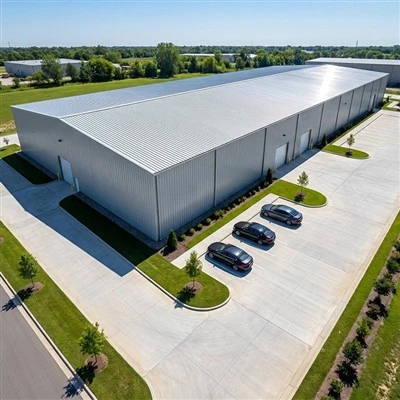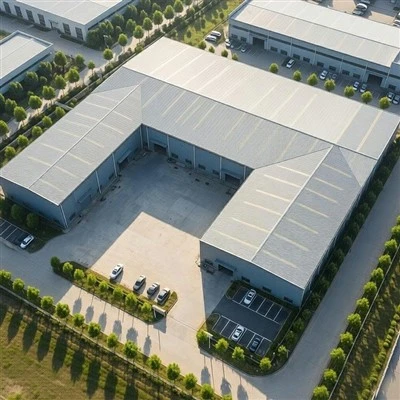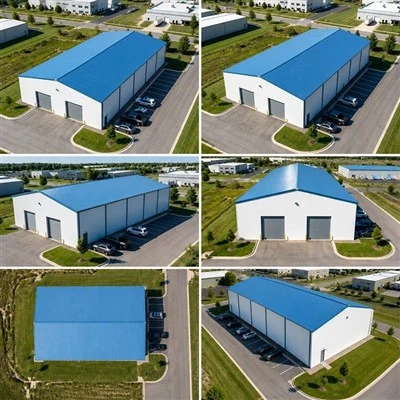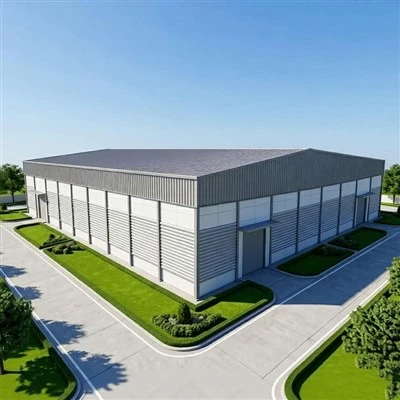
Based on current industry trends, three specific sectors-offshore oil engineering equipment, steel-structure housing, and steel-structure bridges-warrant the attention of relevant government authorities; with appropriate prioritization and policy support, these sectors could readily achieve a doubling of their industrial scale.
Offshore oil production is targeted to reach 100 million tons by 2015, requiring offshore engineering equipment enterprises to supply substantial hardware for deep-sea extraction at depths of 1,500 to 3,000 meters, thereby necessitating significant upgrades in industrial capabilities and scale. Steel-structure housing aligns with policies promoting environmental sustainability, energy conservation, emission reduction, and the circular economy; consequently, industrialized and standardized steel-structure housing products offer vast market potential. Currently, steel-structure bridges account for less than 1% of China's 590,000 highway bridges; meanwhile, the rapid expansion of the railway network-where new lines frequently utilize bridges instead of ground-level tracks-relies on prestressed reinforced concrete bridges for 80% of these structures. In contrast, steel-structure bridges make up 41% of the total in Japan and 33% in the United States, highlighting a significant gap between my country and developed nations regarding market demand and industrial development in this sector.
Over the past decade, China's steel structure industry has expanded rapidly, establishing the country as a global leader in steel structure consumption, manufacturing and construction capabilities, and overall industrial and enterprise scale.