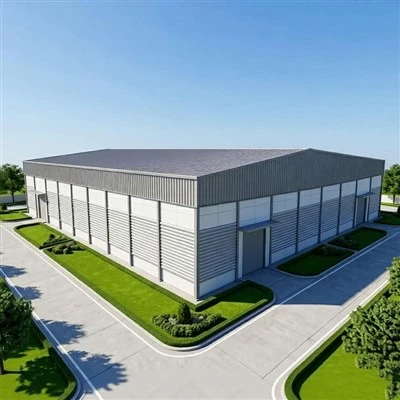
An external thermal insulation system for exterior walls is a non-load-bearing assembly installed on the outside of a building's exterior wall. It primarily consists of an insulation layer, a protective layer, and fixing materials (such as adhesives and anchors). Designed to mitigate thermal bridging and protect the main structure, the system is suitable for both new construction and energy-efficiency retrofitting of existing buildings. Core materials include expanded polystyrene (EPS) boards and rock wool boards; in accordance with the *Provisional Regulations on Fire Prevention for External Thermal Insulation Systems and Exterior Wall Finishes of Civil Buildings*, fire-resistant materials (Class A or B) and fire-blocking strips are selected based on the building's height.
The system encompasses five major categories, including EPS board with thin-coat plaster and cast-in-place concrete with integrated EPS. Construction must adhere to specifications such as staggered joint installation and reinforced treatment of door and window corners, ensuring a service life of at least 25 years. The EPS board thin-coat plaster system utilizes adhesives and anchors for fixation and is suitable for coating finishes, with enhanced impact resistance required for the ground-floor wall area; the cast-in-place system is formed simultaneously with the concrete structure, enhancing overall stability. The construction process involves steps such as substrate preparation, insulation layer installation, and application of the base coat and finish coat; the thickness of the plaster layer must be carefully controlled to balance impact resistance with fire safety performance.